
Evaluating Critical Safety and Security Measures in Bangkok’s Rental Apartment Market
Overview of Safety and Security in Bangkok Rental Apartments
Bangkok’s rental apartment market has experienced significant growth driven by urbanization and rising demand from both locals and expatriates. Within this context, safety and security measures have become integral to attracting quality tenants and maintaining property value. Rental apartment operators are challenged to implement robust systems that address risks related to fire hazards, unauthorized access, and emergency preparedness.
In-depth Analysis of Safety Mechanisms
The effectiveness of safety and security in apartment complexes depends on multiple interrelated components. These include structural fire prevention systems, electronic access control, and surveillance infrastructure. Key factors involve timely detection, controlled access, and rapid response.
Fire Safety Systems
Fire safety in multi-unit residential buildings involves a combination of equipment and protocols:
- Fire alarm and detection: Smoke and heat detectors integrated with centralized alarm panels ensure early warnings.
- Sprinkler systems: Automated water sprinklers reduce fire spread within common areas and individual units.
- Emergency exits and signage: Compliance with national fire safety codes mandates clearly marked and unobstructed evacuation routes.
- Regular safety drills: Conducting tenant and staff training enhances preparedness.
Access Control and Surveillance
Preventing unauthorized entry requires layered access control measures:
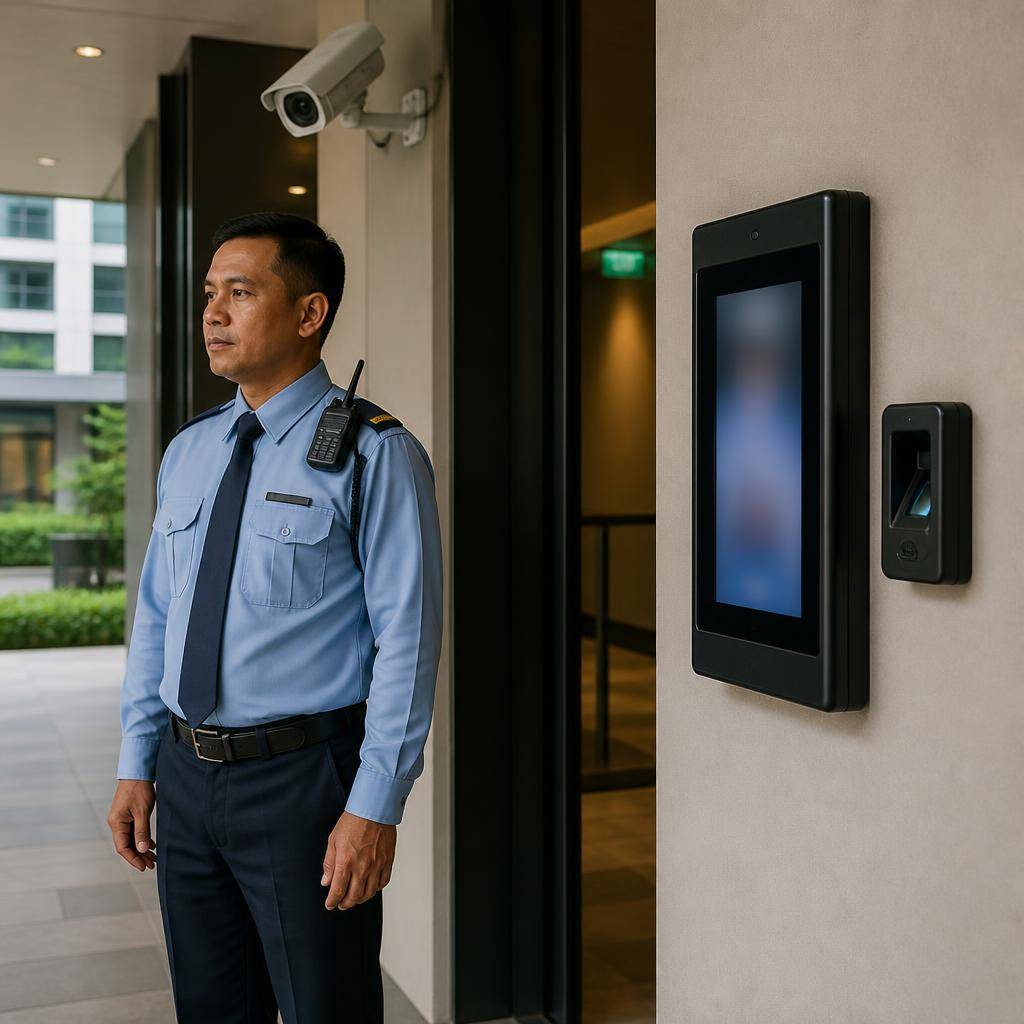
- Secure entry systems: Use of RFID cards, biometric readers, or PIN codes at building entrances is common practice.
- CCTV surveillance: Strategically placed cameras monitor common areas, parking zones, and entry points 24/7.
- Security personnel: Trained guards supplement electronic systems, providing a human element for monitoring and incident response.
Technological Integration and Management
Modern apartment complexes in Bangkok increasingly integrate safety devices into centralized building management systems (BMS). This enables real-time monitoring, remote alerts, and data logging for compliance verification. Integration also supports coordinated emergency responses involving local fire departments and law enforcement.
Market Implications and Tenant Expectations
Demand for rental apartments has shifted focus toward properties that demonstrate clear commitments to occupant safety. Tenants prioritize buildings that provide:
- Transparent safety certifications from relevant authorities
- Visible security measures such as functional cameras and patrols
- Quick emergency response plans and communication channels
Property owners who proactively enhance these features position themselves competitively within a dynamic rental market.
Finding Reliable Apartments in Bangkok
For those interested in navigating this evolving market, identifying rental units with comprehensive safety infrastructure is paramount. The availability of apartments with clear documentation on fire safety, access control, and surveillance systems can significantly impact both peace of mind and investment value.
Searching for reliable and secure options can be facilitated through dedicated platforms. For example, a curated selection of apartments for rent in bangkok thailand provides access to properties that meet stringent safety criteria.
| Safety Feature | Description | Industry Standard Compliance |
|---|---|---|
| Fire Alarm System | Smoke/heat detectors with centralized alarm panel | Thai Fire Code TFC-2018 |
| Access Control | RFID, biometric, and PIN-based entry points | ISO/IEC 27001 for information security |
| CCTV Surveillance | 24/7 monitoring of public and restricted areas | Compliance with PDPA privacy regulations |
Key Challenges and Considerations
Despite advancements, challenges remain in standardizing safety implementations across Bangkok’s rental apartments. Variability in building age, ownership structures, and budget constraints influence the extent of safety measures adopted.
Continuous maintenance and updating of systems are necessary to adhere to evolving safety regulations and technological progress. Moreover, educating tenants about safety protocols complements technical solutions, ensuring comprehensive risk mitigation.